Build a cabin budget around questions, not a headline price.
A blank project worksheet is more useful than an attractive number with an unknown scope.
Cabins.ltd editorial · November 13, 2026
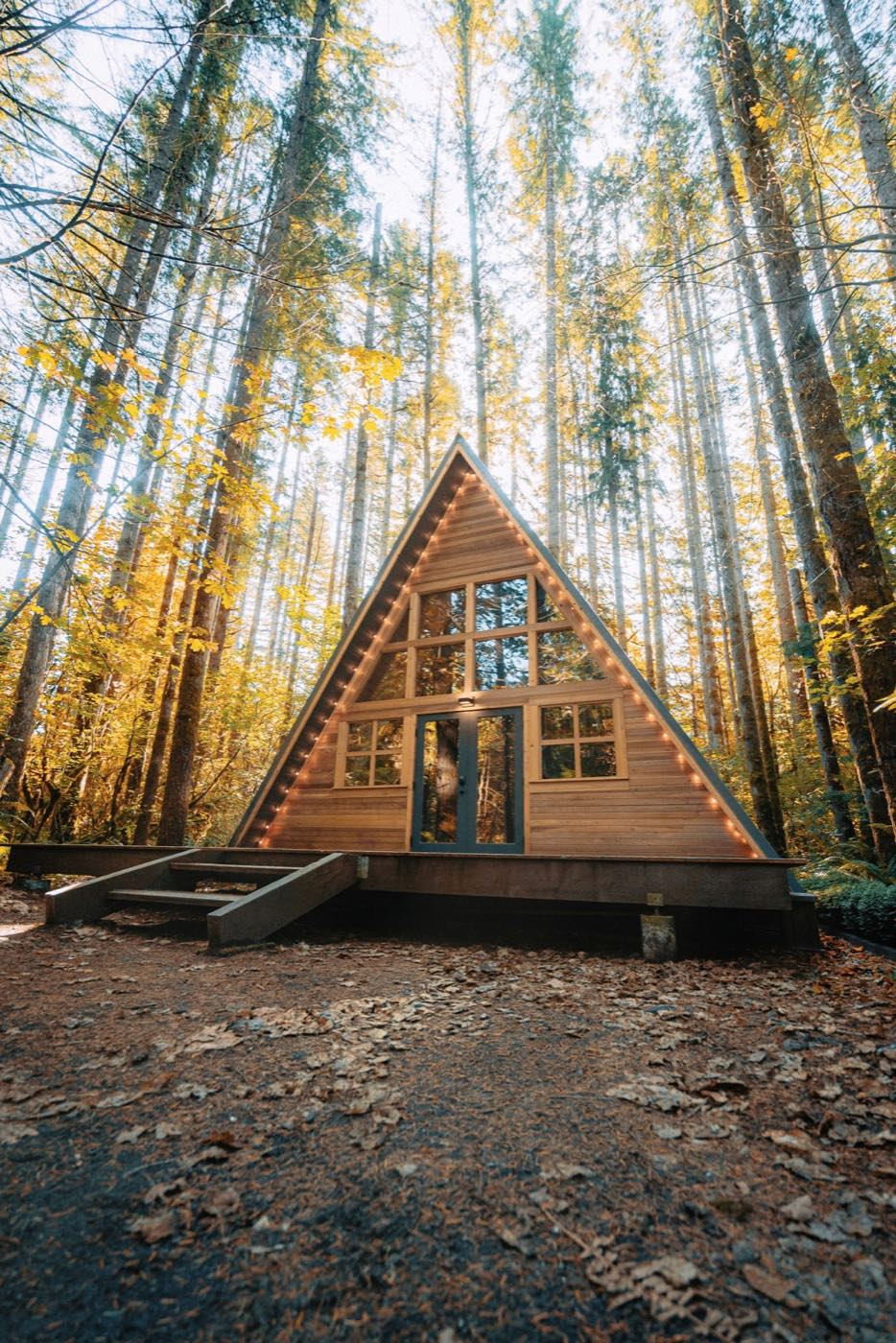
Define what the price includes
When comparing proposals, ask each provider to state the exact scope in writing. Separate the structure, site work, delivery, connections, finishes and professional services. Mark exclusions explicitly. A price can only be compared fairly when you understand the thing being priced.
Keep a site column
Create a separate line for each site-dependent item you need to investigate. Possible questions include access for delivery, ground conditions, clearing, utility connections and temporary services. These are prompts for obtaining quotes, not a statement that every project requires each item.
Track evidence beside the number
For every allowance, record whether it is an estimate or a written quote, its date, validity and assumptions. Use your own currency consistently. Add notes for unknown quantities and ask the responsible professional how uncertainty should be addressed for your particular project.
Compare the same outcome
Before choosing a proposal, ask what a usable handover means: which documents, installations and finishes are included, and which remain your responsibility. Keep a separate list of ongoing costs to investigate, such as access maintenance, utilities and insurance. Our brief helps organize these questions; it does not calculate a construction quote.
An original Cabins.ltd planning worksheet. These are editorial questions to develop your brief, not technical specifications or a quoted project scope.
Planning context: examples are general. Confirm property-specific conditions and local requirements with the relevant authority and qualified professionals. U.S. source material is identified where used.
Turn your questions into a project brief ↗Explore the rest of the journal →
Further reading
The Backcountry Hut Company: project documentation and budget worksheets ↗